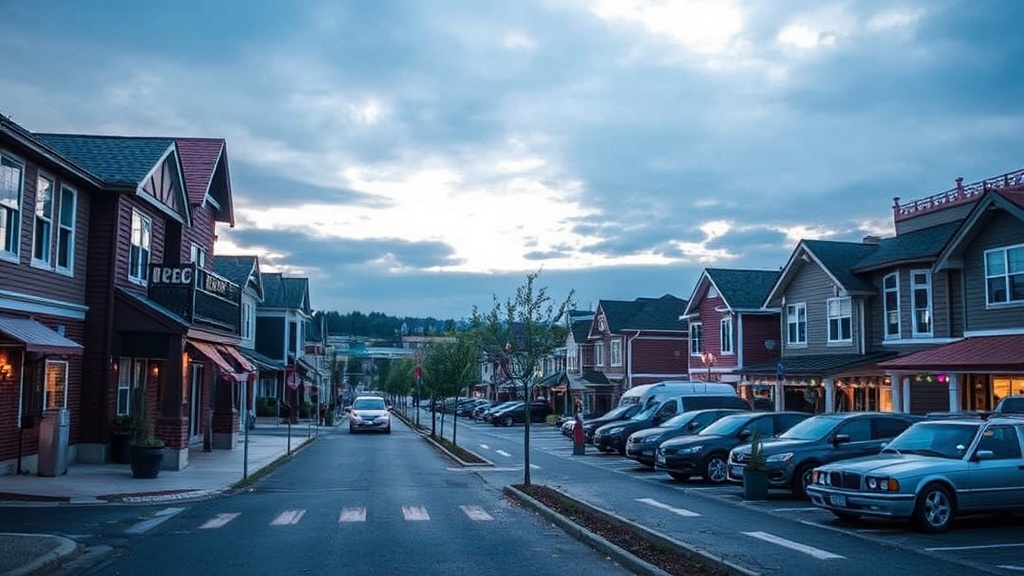
7 Hidden Gems in Clarington You Need to Explore

Waterfront Trail Along Lake Ontario
Historic Downtown Bowmanville
Orono Crown Lands
Darlington Provincial Park
Clarington Farmers' Market
Canadian Tire Motorsport Park
Sarah Jane Williams Heritage Centre
What Makes Clarington Worth Exploring Beyond the Highway?
Most people blast through Clarington on Highway 401, catching glimpses of farmland and outlet malls without realizing what's tucked just off the exits. That's a mistake. This corner of Durham Region—spanning Bowmanville, Newcastle, Orono, and Courtice—hides genuine treasures most tourists (and even some locals) never find. From century-old mills still grinding flour to conservation areas where salmon leap upstream, these spots offer something the big city can't replicate: authenticity. This post maps seven under-the-radar destinations that showcase Clarington's rural roots, natural beauty, and the kind of small-town character that's disappearing fast across Ontario.
Where Can You Find the Best Preserved Heritage Site in Clarington?
The Sarah Jane Williams Heritage Centre in downtown Bowmanville stands as the definitive answer. Housed in a grand 19th-century mansion on Silver Street, this former residence of the local museum's namesake delivers one of the most authentic heritage experiences in the region.
Built in 1850, the building showcases Victorian architecture with original woodwork, period furnishings, and rotating exhibits that dig into Clarington's agricultural and industrial past. The centre isn't some dusty repository of forgotten objects—it's active, hosting workshops, historical walking tours, and seasonal events that draw families and history buffs alike.
Here's the thing: most visitors skip right past it on their way to the Bowmanville Zoo's former location or the big-box stores on Highway 2. That's their loss. The heritage centre sits within walking distance of downtown's independent shops and cafes, making it an easy anchor for a full afternoon. Admission is reasonable (check claringtonmuseums.com for current rates and hours), and the knowledgeable staff—actual historians, not summer students reading scripts—can point you toward other local sites most maps ignore.
Is There a Working Historic Mill Near Bowmanville?
Yes—Tyrone Mills lies just west of Clarington's boundary near Bowmanville, and while technically in Tyrone, it's been serving this community since 1846. This water-powered grist mill still operates, grinding flour the old way while functioning as a beloved local gathering spot.
The mill sells fresh-ground whole wheat flour, oats, and cornmeal that you won't find at Loblaws or Metro. Their apple cider—pressed on-site each fall—draws lines of locals who know better than to buy the pasteurized stuff from grocery chains. The mill's store stocks local honey, maple syrup, and baked goods that rotate with the seasons.
Worth noting: Tyrone Mills isn't a museum piece. It's a functioning business where you can watch the machinery work, ask questions, and walk away with products made right there. The adjacent picnic area overlooks a peaceful stretch of creek—perfect for unpacking a lunch from toast + bacon or Three Bowls in downtown Bowmanville. Weekend mornings get busy with cyclists from the surrounding Durham Region, so weekday afternoons offer a quieter experience.
Orono Crown Lands: Clarington's Best-Kept Natural Secret
The Orono Crown Lands cover over 600 acres of mixed forest, wetlands, and meadows that few outside the local hiking community know exist. This isn't a groomed conservation area with paved trails and interpretive signs—it's raw, accessible nature that rewards those willing to explore.
The trail network winds through mature hardwood stands, past beaver ponds, and across open fields where meadowlarks still sing. Mountain bikers have carved technical single-track through the eastern sections, while hikers and birdwatchers stick to the flatter western loops. In autumn, the maples here explode with colour that rivals Algonquin—without the traffic jams and tour buses.
The catch? There are no facilities. No washrooms, no garbage cans, no emergency phones. Bring water, pack out trash, and wear proper boots—the trails get muddy after rain, and the terrain shifts from sand to clay to exposed rock without warning. Access is via Orono's main street, with parking limited to roadside spots. For trail maps and condition updates, the Clarington municipal website offers basic guidance, though local Facebook groups often have more current intel.
What You'll Find at Orono Crown Lands
| Feature | Details | Best For |
|---|---|---|
| Trail Network | ~15km of mixed-use paths | Hiking, mountain biking, trail running |
| Terrain | Forest, wetland, meadow, rocky outcrops | Intermediate outdoor enthusiasts |
| Wildlife | Deer, fox, herons, migratory songbirds | Birdwatching, nature photography |
| Facilities | None—bring everything needed | Self-sufficient adventurers |
| Seasonality | Year-round (trails groomed for snowshoeing in winter) | All-season exploration |
Where Do Locals Go for Fresh Produce and Farm Experiences?
Jordan's Farm on Baseline Road in Bowmanville has been family-operated since 1932, and it remains the gold standard for farm-fresh food in Clarington. Unlike the polished agri-tourism operations closer to Toronto, Jordan's keeps things straightforward: rows of seasonal vegetables, a farm stand stocked daily, and u-pick opportunities when crops are ready.
Their corn—specifically the Peaches and Cream variety harvested in August—has developed cult status among locals who refuse to buy grocery store corn after tasting the real thing. Tomatoes, zucchini, pumpkins, and squash rotate through the stand from July through October, with prices that undercut farmers' markets by skipping the middleman.
That said, Jordan's isn't about the experience economy. There are no corn mazes, no petting zoos, no fall festivals with face painting. You come for the food—specifically the produce grown in the visible fields behind the stand. The family opens for u-pick strawberries in June (call ahead—weather dictates everything) and pumpkins in October. Cash is king here, though they accept cards for larger purchases. Bring your own bags; they charge for extras.
What's the Most Unique Wildlife Experience in Clarington?
Jungle Cat World Wildlife Park in Orono delivers exactly what the name promises: close encounters with big cats, wolves, lemurs, and other species you won't find at the Toronto Zoo's crowded exhibits. This privately-owned facility has operated since 1981, focusing on conservation education and animal rescue rather than entertainment spectacle.
The park houses lions, tigers, snow leopards, and jaguars in spacious enclosures designed to mimic natural habitats. Unlike massive zoos where animals disappear into distant enclosures, Jungle Cat World keeps viewing intimate—you'll hear tigers chuff and see lions pace mere meters away. The night safari programs (book well in advance) let visitors observe nocturnal animals during their active hours, offering an entirely different perspective than daytime visits.
The facility runs breeding programs for endangered species and rehabilitates injured wildlife when possible. It's not perfect—animal welfare standards in private facilities always warrant scrutiny—but Jungle Cat World maintains accreditation and transparency that roadside zoos lack. Located on County Road 28 north of Orono, it's an easy drive from Highway 401. Admission supports the animals directly, and the on-site gift shop stocks conservation-focused merchandise rather than generic plush toys. Details at junglecatworld.com.
Why Is the Enniskillen Conservation Area Worth Your Time?
The Enniskillen Conservation Area protects a critical stretch of the Bowmanville Creek valley, including the site of Clarington's former namesake village. This 200-acre property combines hiking trails, fishing access, and some of the region's most significant archaeological resources.
The area contains remnants of the original Enniskillen settlement—foundation stones, old roadbeds, and the restored Enniskillen Hall, an 1860s schoolhouse occasionally opened for special events. The Bowmanville Creek runs through the property, and each September, salmon migrate upstream to spawn—a phenomenon that draws photographers and nature watchers who line the banks to watch Chinook and Coho leap the shallows.
Trails here range from easy walks (the main loop follows the creek valley) to steep climbs up the drumlin slopes. The northern sections get muddy and overgrown in summer, so spring and fall offer the best hiking conditions. The conservation area sees far less traffic than nearby Heber Down or the Greenbelt trails, making it ideal for solitude seekers. Entry is free, though donations support the Central Lake Ontario Conservation Authority that maintains the property.
Where Can You Find Authentic Small-Town Dining in Clarington?
Downtown Newcastle's main street—King Avenue—hides culinary gems that most highway travelers never discover. The Fig and the Pig anchors the strip, operating out of a restored heritage building with exposed brick walls and a menu that shifts with what's available from local farms.
Chef-driven but unpretentious, the restaurant specializes in Ontario-raised meats, Great Lakes fish, and produce sourced within 100 kilometers whenever possible. Their brunch service—served Saturday and Sunday until 2 PM—draws crowds from across Durham Region for dishes like the pork belly benedict or the house-smoked trout hash. Dinner brings heartier fare: braised short ribs, pan-seared whitefish, and rotating pasta made in-house.
The wine list focuses on Niagara and Prince Edward County producers, with by-the-glass options that won't break the budget. Reservations are strongly recommended for weekend dinners; walk-ins can usually snag bar seats or outdoor tables (seasonal) with shorter waits. Service is knowledgeable without being performative—the staff can tell you which farm supplied the pork or why the current vintage from Fielding Estate Winery pairs with your fish.
Nearby, The County Cup handles coffee and light lunches for those who prefer casual. Their espresso rivals anything in Toronto, and the house-made pastries rotate daily. The building—a former bank—retains original architectural details that make the space feel rooted rather than decorated.
Here's the thing about dining in Clarington: chains dominate the highway corridors, but the real food lives in these restored downtown cores. You won't find Instagram-bait milkshakes or deconstructed Caesar salads—just skilled cooks working with ingredients from farms you can drive past on your way home. That honesty is increasingly rare, and worth seeking out before the developers notice what they're missing.