Navigating New Development and Housing Changes in Clarington

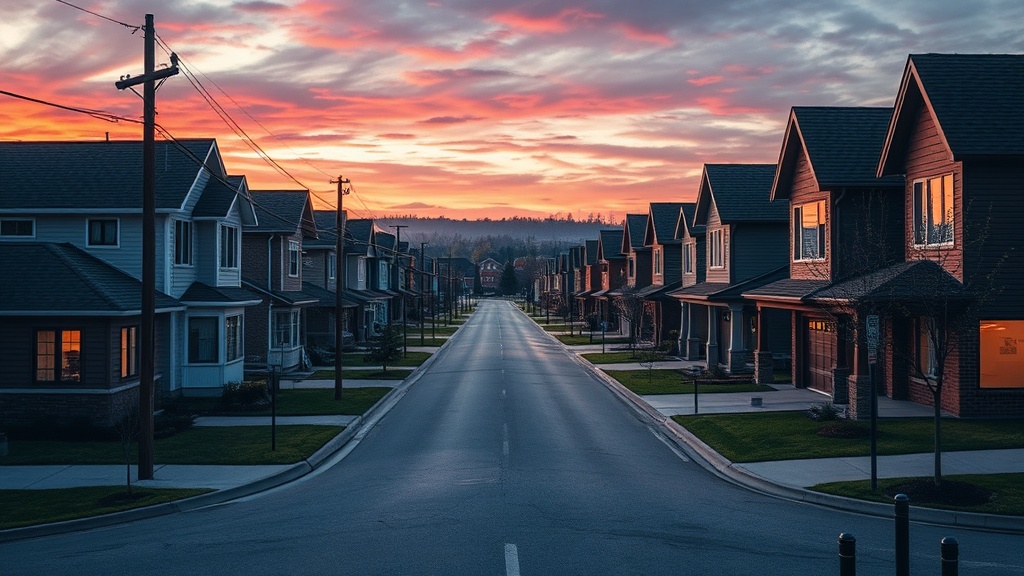
Imagine driving down Highway 2 or through the newer subdivisions in Courtice and realizing how much the skyline of Clarington looks different than it did even five years ago. Whether it's a new residential street popping up near the Bowmanville GO station or a new commercial development near the Darlington area, the pace of growth in our municipality is visible every single day. This isn't just about new houses; it's about how our infrastructure, schools, and community services keep up with the people moving into our neighborhoods.
Living in Clarington means watching our community evolve in real-time. We see the construction cranes and the new signage, but understanding the actual planning process—and how it affects your property or your street—is where the real-world impact hits home. We're looking at how the local government manages this expansion and what it means for long-term residents.
Where can I find Clarington development-related notices?
If you've ever wondered why a certain field near Bondingsdale is being cleared or why a new street is being paved, the answers are tucked away in official municipal documents. The Municipality of Clarington provides public notices regarding zoning amendments and official plan changes. It’s quite easy to miss these if you aren't looking for them, but staying on top of these notices helps us understand where our community is heading. For instance, many of us living in the newer parts of Bowmanville or Newcastle notice changes in traffic patterns before we even see the official notices. You can keep a close eye on the official [Municipality of Clarington website](https://www.clarington.ca/) to see upcoming developments and public meetings.
It is also worth noting that much of this growth is driven by the provincial mandates for housing. While we all want more options for our families, the speed of development can feel overwhelming for those of us who have lived in Clarington for decades. We see the shift from rural landscapes to suburban streets, and it changes the very feel of our local towns.
How does new construction affect local infrastructure?
When a new subdivision is built in Clarington, it isn't just about the houses; it's about the roads, the water, and the sewage systems that support them. We often see discussions regarding the capacity of our local roads to handle increased traffic, especially around high-growth areas like the outskirts of Courtice. If the infrastructure doesn't grow alongside the housing, we face issues like congestion and aging water systems.
One of the biggest concerns for our community is ensuring that our local services—like the schools in the Clarington area and our emergency services—have the resources they need. A new development in the North End of Bowmanville might look great on a map, but if the local transit or road access isn't upgraded, it creates a bottleneck for everyone. We need to be vocal about these issues during public consultation periods to ensure our infrastructure remains reliable.
What are the current zoning trends in Clarington?
Zoning is a term that sounds incredibly dry, but it's actually the heartbeat of how our neighborhoods look. In Clarington, we are seeing a shift toward more densification. This means instead of just single-family homes on large lots, we are seeing more townhomes and even small multi-unit buildings in areas that were previously strictly residential. This trend is particularly noticeable in the more central areas of our towns, where land is at a premium.
- Residential Density: A push toward more efficient land use in growing areas like Courtice.
- Commercial Integration: Seeing more mixed-use developments where small businesses can operate near residential zones.
- Agricultural Protection: Ongoing discussions about protecting our greenbelt and farmland from being encroached upon by residential sprawl.
The tension between keeping Clarington's rural charm and providing modern housing is a constant topic in our community. We see it in the debates at council meetings and in the conversations at the local grocery store. It's a delicate balance to maintain our identity while still welcoming the next generation of residents. For more detailed information on land-use planning and provincial guidelines, the [Ontario Ministry of Municipal Affairs and Housing](https://www.ontario.ca/page/ministry-municipal-affairs-housing) provides the broader context for these changes.
As we look toward the next decade, the landscape of Clarington will undoubtedly change. Whether you are a long-time resident in a historic part of Bowmanville or a newcomer to a fresh development in Newcastle, staying informed about these shifts is the only way to ensure our voice is heard in the process. We must stay engaged with the local planning boards to ensure that the growth of Clarington remains something that benefits everyone who calls this place home.